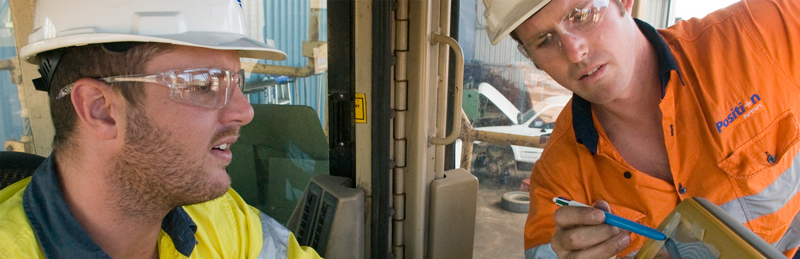
Aptella is the only positioning solutions provider in Australia with branches in every state and territory. For our customers, this means truly national support and the ability to draw from expertise around the country and deliver the best results across any application. “Aptella employs more than 100 technical and product specialists, who are all available to assist customers whenever and wherever they’re needed,” Martin Nix, Aptella CEO said. “Delivering the highest standards of support, training and advice is of paramount importance to minimise downtime for our customers. Through the development of Tokara, which enables Aptella technicians to provide remote support for wherever they’re working, along with a shared pool of knowledge across a wide range of applications and
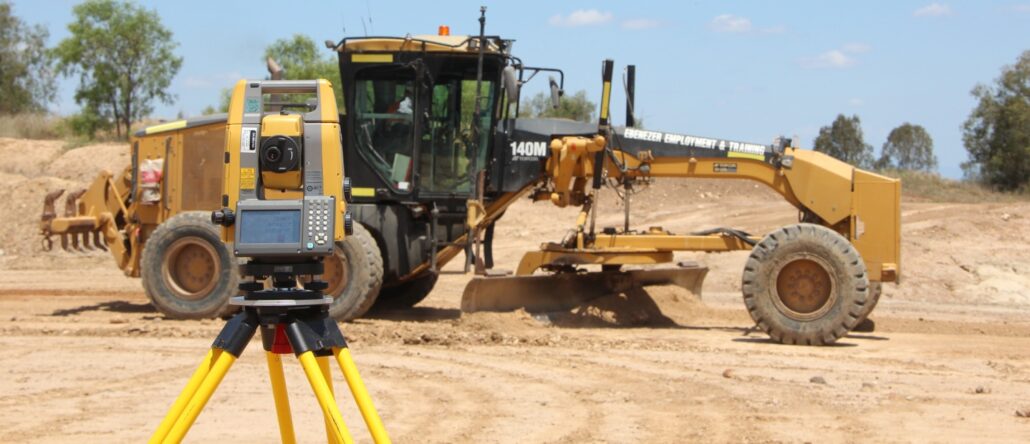
Brisbane-based Main Constructions specialises in both building and civil construction projects. With such a diverse service delivery, Project Supervisor Will Sylvester explains that Local Positioning System (LPS) machine control gives his team greater flexibility than using GNSS-based solutions. The company has recently invested in Topcon’s new LPS excavator solution, adding to its existing suite of Topcon LPS solutions for dozers, graders and a compactor. Main Constructions employs some 50 staff, owns around 100 machines and operates throughout Brisbane and surrounding areas, from Caboolture in the North, down to Byron Bay and as far West as Toowoomba. The company offers earthmoving services for drainage, bulk earthworks, roads, councils, schools, sports complexes, housing developments and commercial buildings. Because of the
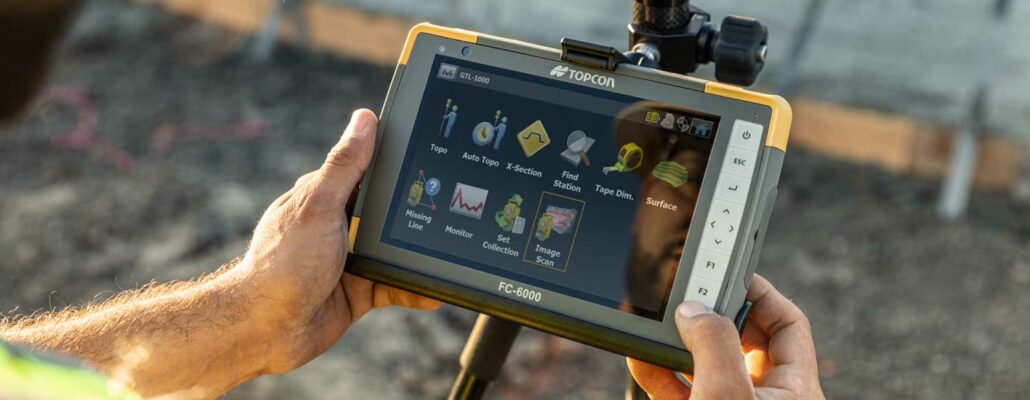
Topcon Positioning Group announces the latest addition to its line of field controllers for surveying and construction professionals — the FC-5000. With a 7-inch, sunlight-readable display and rugged hardware, the FC-5000 is designed to offer users a large, versatile and fast handheld computer for all on-site and field applications. “At 7-inches, the FC-5000 has the largest handheld data controller screen in our product line,” said Ray Kerwin, Topcon’s Director of global surveying products. “The display has a capacitive touch interface — with finger, glove, small tip stylus and water capable options — that is optically bonded to increase visibility. With the press of a key, a user can change the orientation of the screen from portrait to landscape
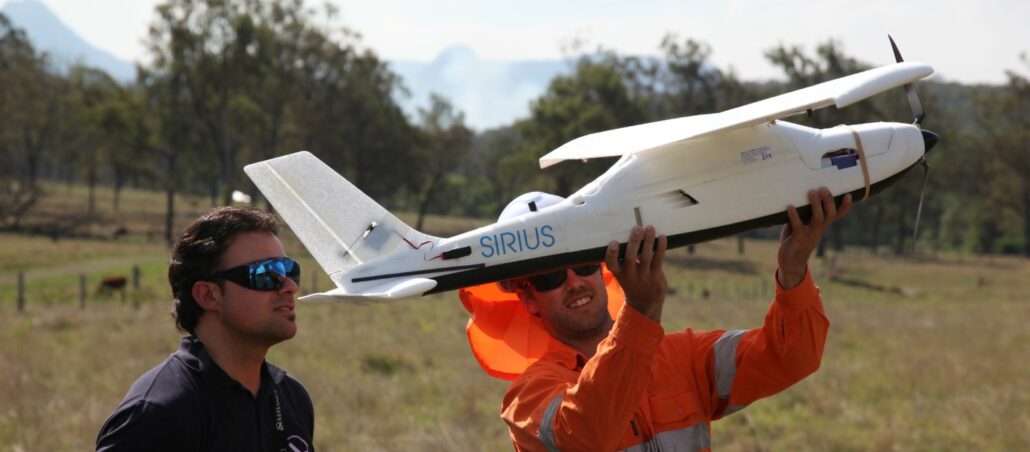
BHP Billiton has successfully deployed Remotely Piloted Aircraft System (RPAS) technology, commonly referred to as ‘drones’ or ‘Unmanned Aircraft Systems (UAS). In a recent article in The Weekend Australian, project leader Jason Wadsworth explains how the use of RPAS gives engineers and operators “better visibility about what is going on” across the mine site. Mr Wadsworth highlights the safety and productivity benefits of the technology, as RPAS reduces the need for surveyors to enter the pit. The data captured with the system can also be used to check safety compliance and verify the site is working within its specifications. Interestingly, Mr Wadsworth suggests that the use of RPAS is giving mine surveyors more cudos on site, lifting their profile to that of
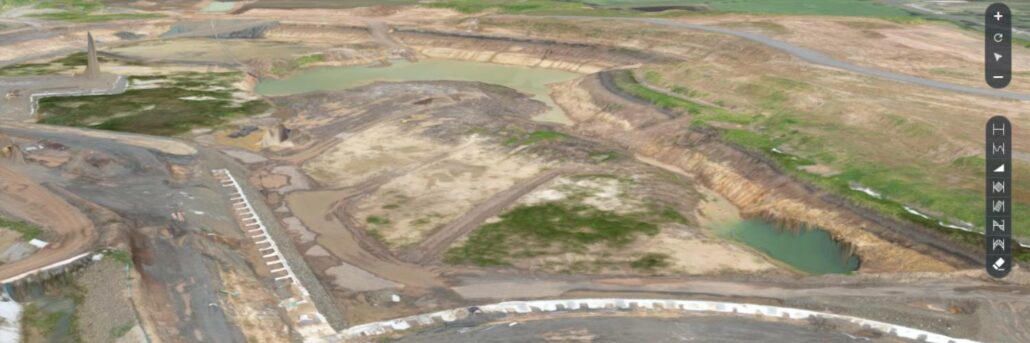
Matthew Smith is a Director of CEH (Dapto) Pty Ltd, an Illawarra and Sydney-based firm of land and mine surveyors. An aerobatics pilot in his spare time, with several state and national championship titles to his name, Mr Smith and colleague Robert Dickers, a former long-haul freight pilot, have embraced a new way to fly with the introduction of the company’s first Remotely Piloted Aircraft System (RPAS). CEH Survey hopes that RPAS will replace traditional survey methods for large scale surveys and stock pile volumes. “I think there will always be a place for total stations and GNSS, however for some applications RPAS enables us to capture comprehensive data considerably faster and more safely,” Mr Smith said. The
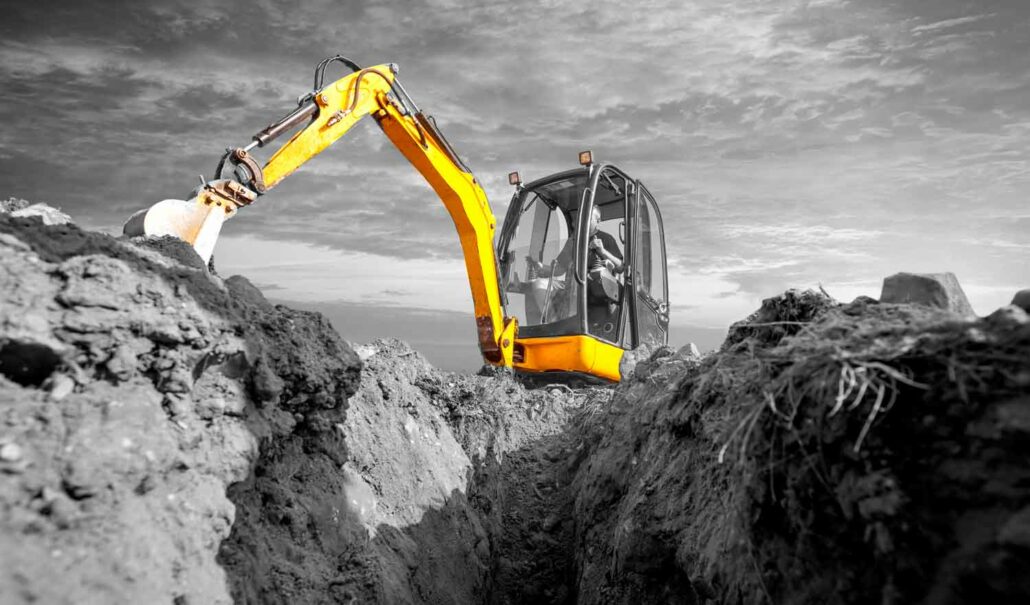
Machine control is a well-adapted technology within the civil engineering industry, with the ability to precisely position earthmoving machinery based on design models and GPS systems. Machine control is a vital tool for earthmoving as it maximises productivity, reduces manpower, and improves safety. With all of the benefits of Machine Control it is important to know which type would suit your business. 2D Machine Control 2D Machine Control is commonly referred to as the “Basic System”, this term should be taken with a degree of caution as 2D machine control can be complex in its capabilities and achieve excellent outcomes for the smaller job sites. 2D Machine Control is a system that enables an operator to know the
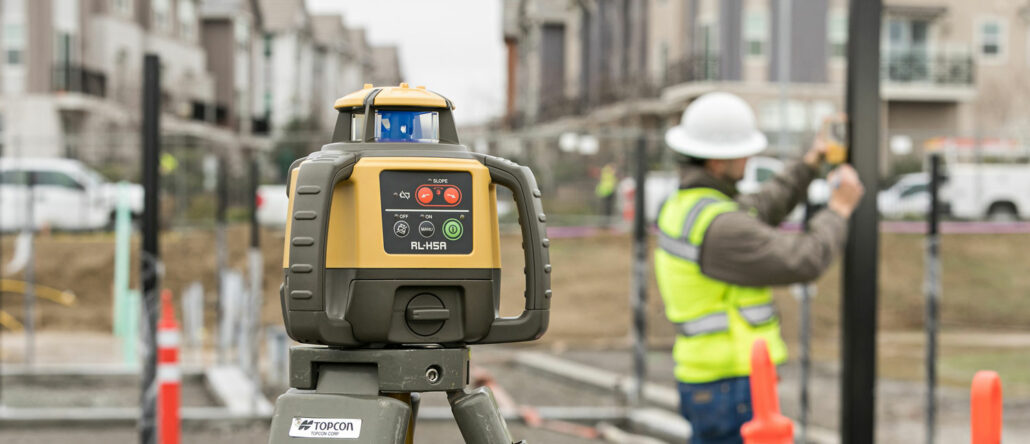
Laser levels are used daily on hundreds of construction sites throughout Australia for applications such as site set-out, earthmoving, concreting, machine control and interior trades. But did you know that without a certified laser safety officer on site, you run the risk of heavy fines? Australian and New Zealand Standards 60825 and 2397 stipulate that if there is not a certified laser safety officer on site, responsibility falls to the person operating the laser. If you are working as a subcontractor it is therefore essential to check whether there is a laser safety officer on site, as without the correct training you could be held accountable. The New South Wales Work Health and Safety Regulation 2011 also stipulates
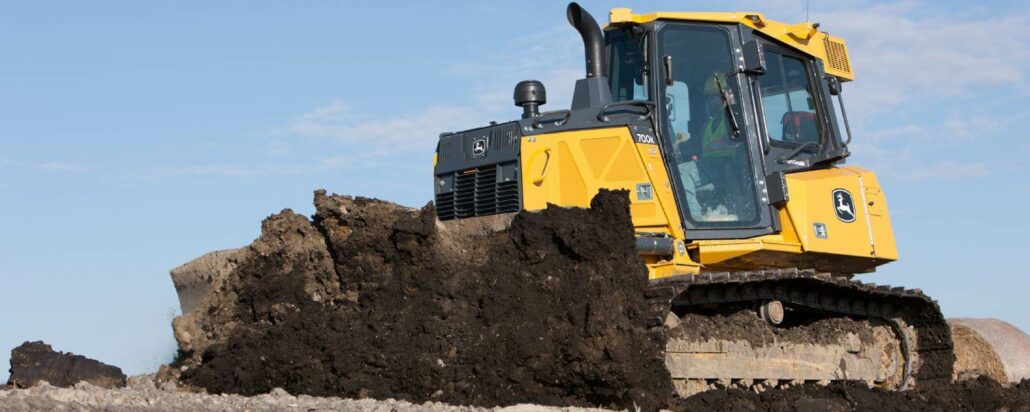
Machine control technology that 10 years ago was installed only by the innovators and early adopters is now coming as standard on an increasing number of machines. Here, we explore what that means for the Australian earthmoving industry and how open platforms will enable greater productivity. A whopping 95% or more of new motor graders sold in Australia now come complete with some form of factory-fitted machine control. This clearly demonstrates how widely accepted and in-demand the technology has become, with the majority of major projects in this country requiring machine control across a broad spectrum of earthwork tasks. Now a staple on large sites throughout the United States, Europe and Australia, we are now witnessing the technology


