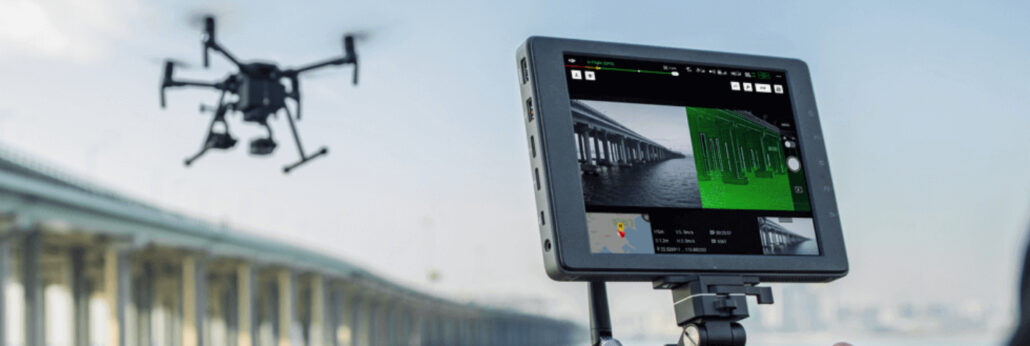
In the world of survey drones, major technological advancements have occurred over recent years. We have seen surges in payloads, aerial surveying capability, flight duration, flight distances and user operation technology Drones are essentially an aircraft that doesn’t have a human pilot onboard, instead, they are controlled by an autonomous onboard computer or an operator who is stationed on land. It is also common for most surveying UAV (unmanned aerial vehicle) drones to be equipped with VTOL (vertical take-off and landing) capabilities – as a matter of course in 2020. What is the Difference between VTOL and UAV in Aerial Surveying? We distinguish some drones used for aerial surveying as VTOL and some as standard UAV. It is
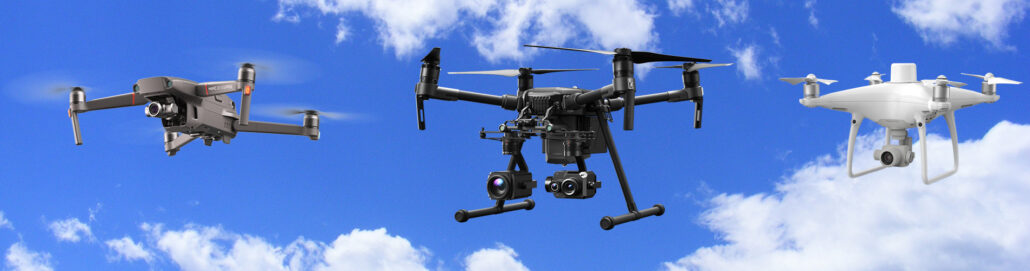
We classify our drones as unmanned aerial vehicles (UAV), which are aircraft without a human pilot onboard. This is the overall category of drone survey and geospatial equipment, which includes a range of different aircraft used for different survey purposes Within the UAV category of survey equipment is the latest flying and launching technology – referred to as V.T.O.L – which means an unmanned aircraft that has a Vertical Take Off and Landing. We talk more about VTOL and VTOL payload over here on this blog: Click here to read about VTOL Payload. This article dives deep into the different types of drones that are on the market today or about to be released – Aptella offer a
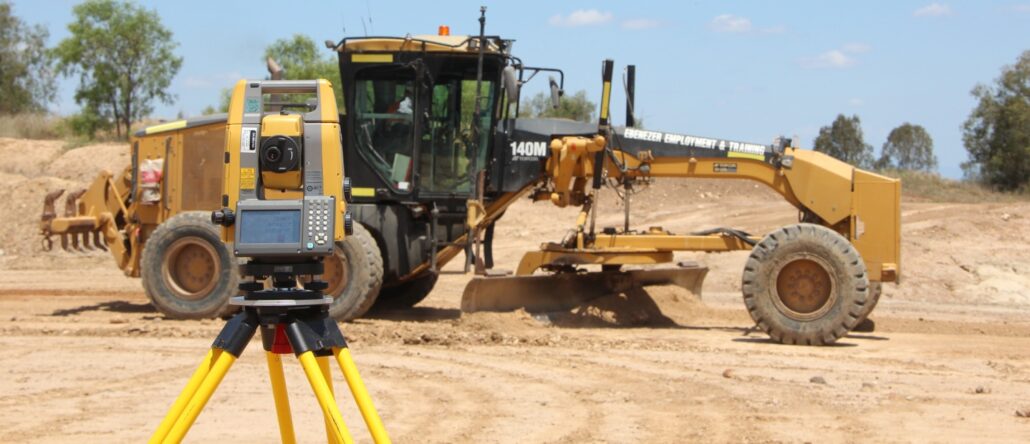
A guide to choosing the right technology, that’s backed by the right level of expertise Positioning technology is a broad term that encompasses a lot of different options for the civil contractor. With so much choice, including factory fit options from machine manufacturers, aftermarket options by different technology companies and various terms and descriptions that are not used consistently across the industry, it can become a mine field to uncover the right fit for your project. The top 3: Lasers, GPS and Total Stations In its simplest form, positioning technology is anything that assists machine operators, surveyors, engineers and project managers to match the physical landscape or structure to the digital (or, gasp! paper-based) project design. The most
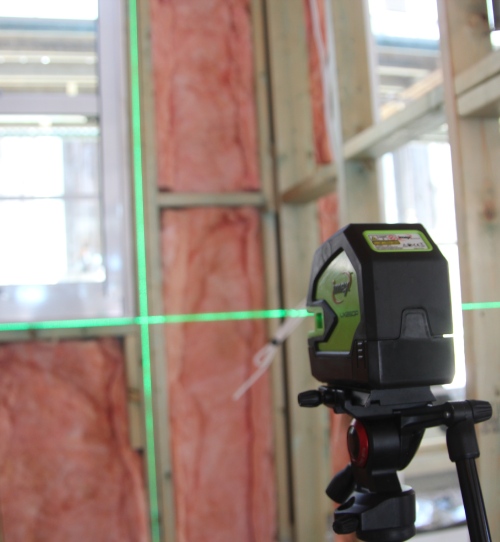
Let’s set the scene… You’re on-site; you’re about to get started, and you whip out your brand new line laser level. It’s straight out of the box. So what’s next? How do I use it? Whoa! Slow down there tiger! In this blog, we’re going to teach you: What is a Line Laser How to make sure your Laser Level is leveled How to use your Line Laser Here at Aptella, we want you to have the utmost confidence when using new tools on a job. Below is an essential front-to-back laser line level guide. What is a Line Laser? A laser line level (also known as a line laser level) an instrument that employs a laser and
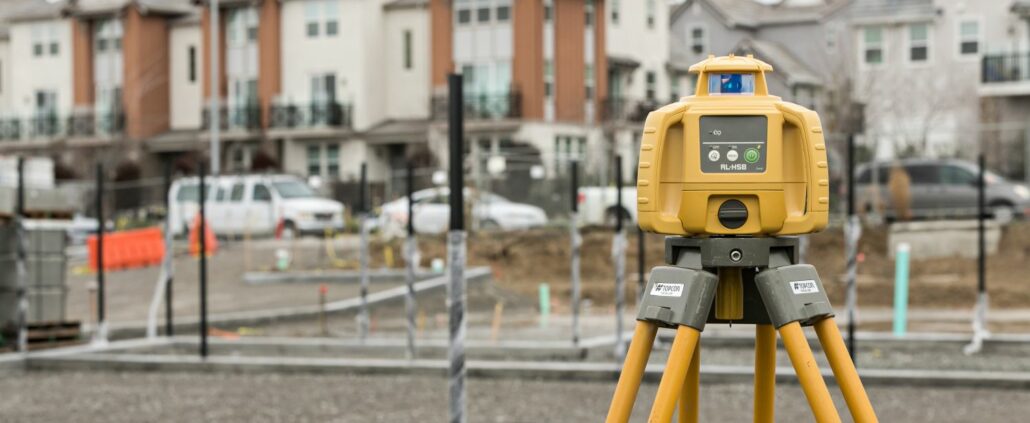
So you’ve scoped your job, you’ve chosen your equipment, and you’ve landed on the ever-versatile rotary laser. So what’s next? Here you will learn how to use your laser level. What is a Rotary Laser Level? A rotating laser (also known as a rotary laser level) is an advanced laser level that spins a beam of lightning-fast enough to give the optical illusion of a solid 360-degree plane. These planes can be horizontal, or vertical. Illuminating not just a solid and static line, but lateral planes. Not to be confused with a laser ‘measuring tool’ which defines space and distance between multiple objects, or a laser pointer which is used in presentations, or playing for endless hours with
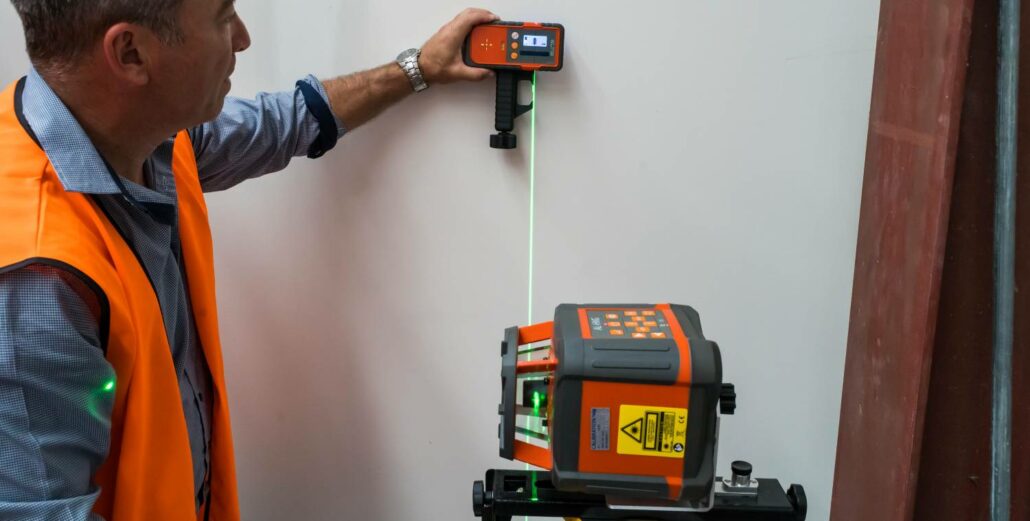
As we all know, the traditional level has been around for centuries. We can actually backdate the invention of the level to 1661. Whilst first used in telescopes and surveying, technology has come a long way since then. Today, we more commonly use the digital laser level. Sometimes also referred to as a plumb laser, or beam laser. So with all the iterations of the laser out there on the market, it’s sometimes hard to choose which one is best for the job you need. When looking for a laser to help you mark a chimney, install a deck, or even assist with the installation of a drop ceiling; look no further than a vertical line laser. What
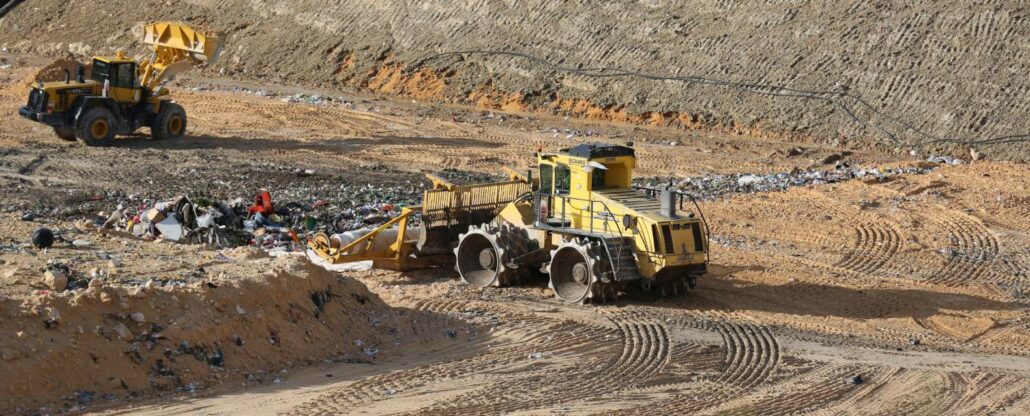
Grade control optimises compaction ratios and gives operators greater autonomy in Mindarie, Western Australia The Tamala Park Landfill in Western Australia is one of the largest in the state, operated by the Mindarie Regional Council. The site provides comprehensive waste management services for the public, including a recycling centre and reuse shop. An onsite power station uses the landfill gas to generate electricity, which benefits the environment, and powers up to 5,000 homes per day. Two landfill compactors are used on site to distribute and compact the waste. In 2016 Mindarie Regional Council began trialling grade control technology on the machines to monitor the effect it would have on compaction ratios, available air space, and overall productivity. Operations
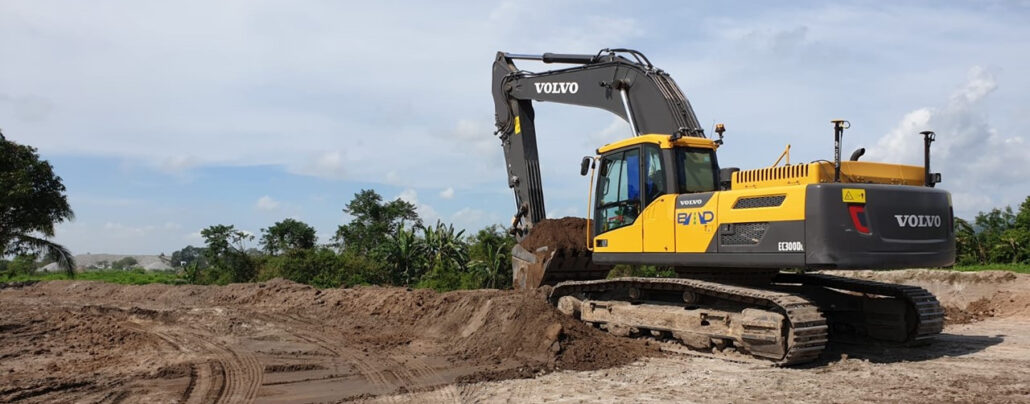
Aptella is now moving ground in the Phillipines with the first Topcon 3D machine control systems installed on Prime Metro BMD Corporation’s (PrimeBMD) fleet of excavators, graders and dozers. PrimeBMD specialises in the construction of major transport and urban development infrastructure for projects in both the private and government sectors in the Philippines. PrimeBMD’s expertise includes the construction of roads and bridges, marine infrastructure and dredging services, airport infrastructure, building works, water and wastewater infrastructure, rail infrastructure, and commercial/residential land subdivision projects. “With 3D machine control solutions, the equipment operators can easily visualise their work area and follow the indicators to achieve the project design,” said Mae Hernandez, Business Development and Marketing Officer, Aptella South East Asia. “We take


