



That’s where Blindsight, an innovative Artificial Intelligence (AI) powered safety solution, is making a transformative impact. Designed to detect dangers in real time and provide actionable insights, Blindsight is revolutionising the way the waste management industry approaches safety, helping companies protect their most valuable asset – their people.
Unlike traditional safety systems that rely solely on human oversight, Blindsight acts as a vigilant, intelligent eye, monitoring the site 24/7. Whether it’s workers failing to follow safety protocols or machinery moving too close to personnel, Blindsight ensures that risks are detected early, before they result in costly or tragic outcomes.
Nick Corr, Market Development Manager at Aptella, brings over 15 years of experience in safety technology, helping organisations integrate data-driven solutions to enhance workplace safety. With a deep commitment and understanding of both the challenges and opportunities in the safety space, Corr is at the forefront of Blindsight’s mission to reduce accidents and improve safety management practices.
“Blindsight empowers organisations to see what they couldn’t see before,” says Corr. “By leveraging AI and video technology, companies can finally identify risks in real time – giving them the ability to act and prevent accidents, rather than reacting to incidents after the fact. It’s about being proactive, not reactive.”
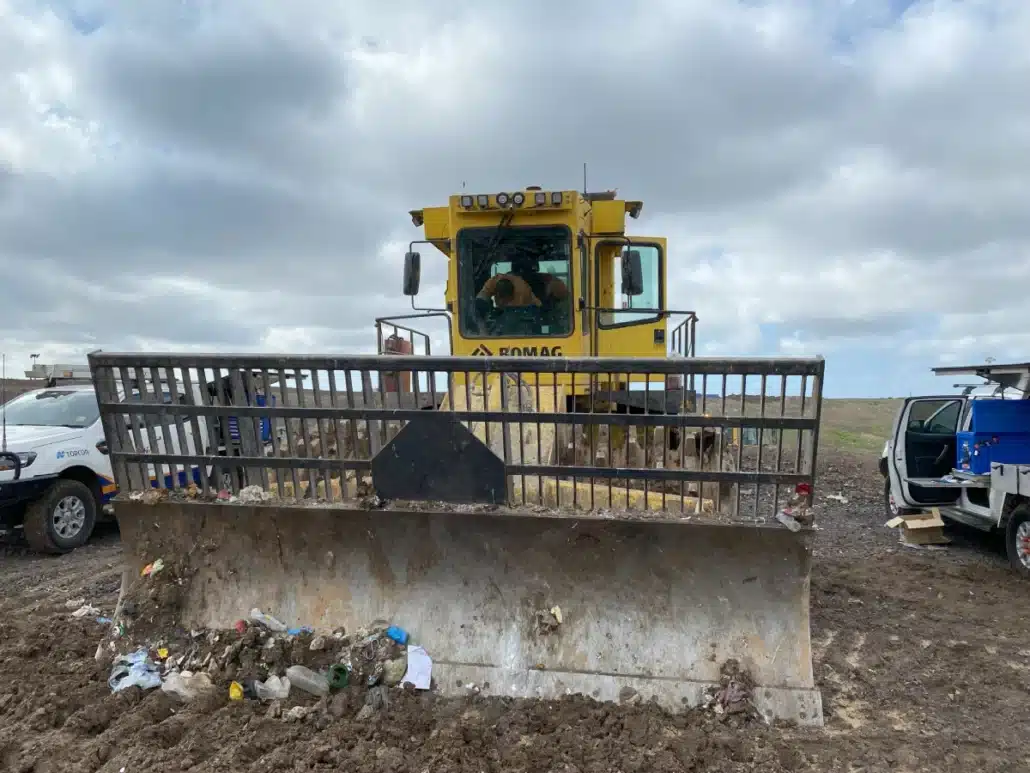
The waste management industry is inherently dangerous, with workers regularly interacting with heavy machinery, waste compactors, forklifts, and vehicles in fast-paced environments. Historically, safety management in this sector has been reactive, relying on incident reports and manual inspections after accidents have already occurred. However, with Blindsight, companies can take a proactive approach to safety by continuously monitoring and mitigating risks in real time.
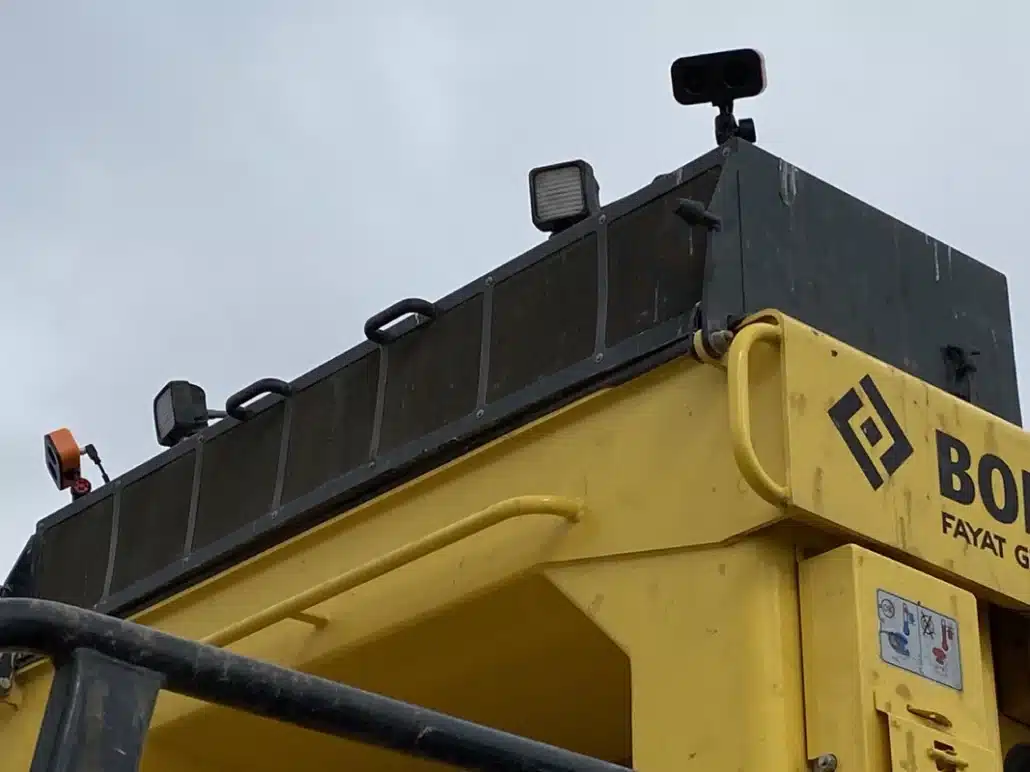
Waste management customers typically operate landfills and transfer stations, where safety and efficiency are paramount. As Nick Corr explains, “In landfill operations, heavy machinery like compactors and trucks frequently work in close proximity, which increases the likelihood of incidents. Blindsight gives operators real-time awareness of their surroundings, alerting them not only to the presence of large machinery but also to pedestrians who might be in the vicinity. This dual layer of awareness helps prevent collisions and ensures that operators can act quickly if someone enters a dangerous area.”
The system’s ability to detect pedestrians and vehicles in these environments is especially critical, as “visibility can be limited due to dust, debris, or weather conditions. Blindsight helps give operators the confidence they need to work safely, knowing they have advanced warning of any potential dangers in their blind spots.”
For example, one customer operating a transfer station reported how Blindsight helps define clear safety zones for vehicles, machinery, and pedestrians, reducing the risk of accidents in high-traffic areas where public interactions are common. This is especially important for contractors and workers who may not be as familiar with the site’s layout or the movement of machinery. Corr adds, “With the Blindsight machine learning AI engine, the system has learned to ignore certain objects over time, providing operators with greater confidence in the reliability and accuracy of the solution.”
At transfer stations, where public interaction with machinery is frequent, the technology provides an additional layer of safety awareness. “While site operators are generally aware of the risks,” Corr says, “Blindsight offers immediate risk detection that enables operators to act immediately, especially in areas where pedestrians or even children may be on-site, unaware of the potential dangers.” Data gathered by Blindsight also helps ensure that safety protocols around pedestrian zones are followed, reinforcing the importance of clearly defined safety measures.
A critical challenge in any safety system is alert fatigue—the phenomenon where operators become desensitised to constant, unnecessary notifications. As Corr explains, “Alert fatigue is a real issue, particularly in environments where operators are constantly being bombarded with multiple alerts throughout the day. If an operator receives too many alerts, they can become numb to them, which reduces the effectiveness of the system.”
Blindsight addresses this issue by ensuring that the alerts operators receive are relevant, timely, and meaningful. “One of the advantages of Blindsight’s technology,” Corr continues, “is that it minimises unnecessary alerts. If operators are being bombarded with hundreds of alerts a day, they will stop responding effectively. Blindsight is designed to only send the most relevant alerts, significantly reducing noise. This helps prevent alert fatigue, ensuring operators remain engaged and responsive when it matters most.”
This finely tuned system of detection, whereby the AI system learns from thousands of on the job experiences, ensures that operators are not overwhelmed with false positives or irrelevant alerts, leading to better outcomes and faster response times when true dangers are detected.
Blindsight is not only about immediate hazard detection but also about enabling long-term improvements in safety practices. As Nick Corr notes, “Having the ability to review the data collected over time is a game changer. The AI continuously learns and improves, providing deeper insights into how to manage risks effectively. Our customers, particularly in waste management, are able to use this data to drive continuous improvement in their safety protocols.”
A prime example of this comes from Mort &Co, a major agricultural feedlot operator, who saw a 65% reduction in critical detections of people in hazardous zones within just three months of using Blindsight. The company adjusted its safety practices based on the data provided, leading to improved outcomes for workers and a safer site overall. As a result of these practices, Mort & Co was recently awarded the Best WHS Technology Deployment and Adoption award at the Australian Workplace Health & Safety Awards 2024.
As Corr highlights, many of Blindsight’s customers adopt the technology after a compelling or dangerous event tragically occurs. He explains, “Quite a lot of the people that we work with are on this journey because they’ve had a compelling event. It’s those organisations that recognise that if they don’t do something, another incident could happen. Unfortunately, a number of these organisations we work with have experienced serious incidents – broken limbs, amputations, fatalities. They don’t want it to happen again. They understand the pain it causes to an employee, their family, and the business. That’s why they turn to technology like Blindsight to prevent future accidents.”
Nick also underscores that “about 20% of work-related events are classified as severe – leading to significant injury, lost time, or even fatalities. With Blindsight, we’re helping organisations target that 20% proactively before it becomes a devastating incident.”
Another key point Corr emphasises is that safety technology needs to work alongside human interactions and knowledge built from deep experience on the field or site. As he explains, “Safety is not a set and forget technology solution. You need people to engage with the data. It’s not a huge time investment; it’s like brushing your teeth. You just make it part of your routine.” Blindsight’s AI engine, coupled with human oversight, ensures that safety systems are always active and continuously improving based on real-time feedback.
“I’ve seen it in the past where companies would install a system, but they’d just set it up and forget about it. The technology can’t just sit there – it needs to be part of an ongoing process,” says Corr. “Blindsight ensures that organisations are actively engaged with the data. It becomes part of the daily routine, helping organisations stay ahead of risks.”
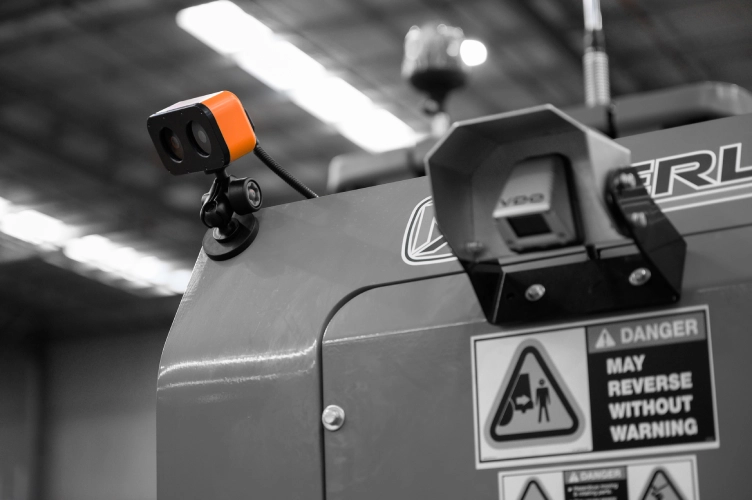
While Blindsight is excelling in waste management, its applications extend far beyond this sector. The system is also being utilised in mining, construction, and logistics, where large scale operations and high risk environments require constant vigilance.
In mining, for example, Blindsight is used to monitor vehicle and pedestrian movement to prevent critical failure incidents. In construction, it helps ensure workers maintain a safe distance from dangerous machinery and that safety protocols are adhered to on busy job sites.
Blindsight’s real world impact is evident in the success stories of its customers. Clients who engage with Blindsight in the waste sector say it’s fundamentally changing how they approach safety. Where large Waste Management companies used to react to incidents, they’re now able to actively prevent them, whilst the alerts are a reminder to stay vigilant.
Corr says the feedback is overwhelming positive and the system is in almost all major National Tier 1 companies. “All my clients are telling me it’s given them a much needed extra layer of security. It’s like having an invisible safety officer on-site 24/7. They’ve noticed fewer close calls and improved compliance with safety procedures across the board.”
Blindsight represents a leap forward in safety technology for the waste management industry, offering immediate hazard detection, data driven insights, and customisable solutions to address site specific risks. By providing actionable data and ongoing support, Blindsight ensures that safety is not a one time effort but an ongoing process of improvement and evolution.
As the waste management industry continues to face increasing pressures to prioritise safety, Blindsight stands out as a comprehensive solution that combines the best of AI driven technology coupled with priceless human expertise. With its ability to prevent accidents, protect workers, and reduce incident rates, Blindsight is helping to create a safer future for the industry – one detection at a time.